




National Library Week
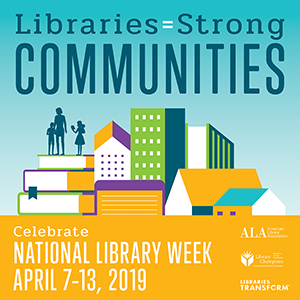
Today is the kickoff to National Library Week! Started in 1958, National Library Week occurs annually in April. Its purpose is to celebrate all types of libraries.
Libraries come in all shapes and sizes and purposes. No matter the dimensions or the purposes, all libraries share a common mission — to provide all people in a given community access to information. The way they do this is through providing hundreds, thousands, even millions of resources.
The resources libraries offer vary from library to library. There are different types of libraries, and each type of library provides resources suited to that specific library’s and patrons’ purposes.
Four Categories of Libraries


Academic Libraries
Academic libraries are found at colleges and universities. Their primary goals are to support the institution’s students, staff, and faculty, to support the school’s curriculum, and to support the school’s mission.
Academic libraries offer access to millions of books, documents, and images from digital resources such as databases, periodicals, newspapers, maps, data sets, open course access, electric publications, streaming services, and subscription services to research resources such as reference services, microfilm and microfiche, computer labs, 3D printers, group study spaces, tutors, tutorials, and research guides.
Academic institutions often house more than one library, especially if the school awards advanced degrees. These additional libraries specialize in disciplines such as medicine, law, and science.
One of the most interesting resource an academic library may have is a rare books and special collections department or library. Special exhibitions offer people the chance to see rare books and documents such as first editions, author manuscripts, photographs, and original artwork.
Many academic libraries provide access to the public, sometimes for free, sometimes for a fee.


School Libraries
School libraries serve students in K–12. Whether the school is public or private, the mission of the library is often the same: to foster an environment of learning, curiosity, creation, and innovation that, according to the Pottsgrove School District in PA,“empowers students to be critical thinkers, enthusiastic readers, skillful researchers, and ethical users of information.”
School libraries have undergone a big change in the past few years. The current focus of many school libraries extends beyond circulating books and helping with research papers. There has been a big push for school libraries to be spaces for teachers and students to collaborate, communicate, and share.
Many schools around the country embrace both digital and print collections and focus on how all mediums can work together. It is vital to add technology into the library world. In some places, school is the only access that children have to advanced technologies, such as computers, iPads, digital databases, and 3-D printers.
The current trend in creating makerspaces in school libraries creates further opportunities for children to engage in learning.


Special Libraries
Libraries exist beyond educational institutions. Libraries can be found in connection to hospitals, corporations, museums, newspapers, private businesses, and the federal government. These libraries are specialized. That means that they are open to a specific clientele and that they contain information geared toward a specific interest.
The biggest benefit of visiting a special library is the wealth of information it provides dedicated towards a special interest. It makes more sense to seek out an art library if you are doing research on Marie-Elenore Godefroid than it does to go to your small, local public library. A small library would carry some general interest art materials, but it is
unlikely that it would carry resources dedicated to a largely unknown female artist of the nineteenth century.

Public Libraries
Public libraries serve the general population and are mostly funded by state, county, and city taxes. While it is often required for you to apply for a library card, the process is simple and usually only involves you presenting your ID or proof of residence.
Rules vary state by state, but in Pennsylvania, for example, your library card allows you to use materials at your local library, the surrounding libraries in your county, and all counties within Pennsylvania that are members of Access PA, which is a resource-sharing program. So not only can you check out materials from a library across the state from you, if your home library is a member of Access PA, you can get a library card from that library that you are visiting.
Public libraries also provide community members with access to computers, books, digital resources, and community meeting spaces.
Some public library systems provide access to mobile libraries as well. Bookmobiles and Book Bikes travel around the local area and often visit shut-ins and people in remote locations who are unable to travel to the physical library location.
The wealth of resources that public libraries provide is impressive. Libraries usually contains resources such as books, newspapers, magazines, audiobooks, and computers, but these just tap the surface of what resources libraries can provide the community.
Collections vary from library to library and state by state, but more and more public libraries are providing resources to help people in all aspects of their lives.

Quick Tip
Did you know that the Women’s National Book Association (WNBA) has our own collection at the Boston Public Library?
Any author who is a WNBA member in good standing (dues are paid) can send a single copy of each title you have published, and it will reside in the permanent collection. If you provide a second copy, it will be placed in circulation at the Boston Public Library. Do not send more than two copies.
Instructions for where to send your book(s) and what to include in the package are in the Member’s Only section of the website. (Contact your local chapter if you don’t know the password.)
Library Resources Found in Public Libraries in the US (check your local library)
ACCESSIBLE RESOURCES
- Books

Audiobooks section - Audiobooks (on CD and downloadable)
- Braille Books
- eBooks
- Large Print Books
- Large Print Books by Mail
- DVDs
- DVDs with Closed Captioning or Subtitles
- DVDs with Audio Description
- Headphones with Wireless Receivers
- Home Delivery Services
- Low-Vision Computers with High-Visibility/Low-Mobility Keyboard
- Magnification Devices
- EVS Electronic Magnifiers
- Reading Glasses and Magnifying Glasses
- Play Groups
- Early Intervention Play Groups
- Sensory Play Groups
- Sensory
- Sensory Friendly Movies
- Sensory Storytimes
- Sign Language Interpreters and Assistive Listening Devices for Library Sponsored Programs
- Storytimes for the Blind
- Therapy
- Musical Therapy Programs
- Therapy Dog Programs
- Toys
- Wheelchairs or Motorized Carts

ART
- Art Prints
- Art Tools
BUSINESS
- Business Databases
- Business Start-Up Toolkits
- Grant Resources
- Newspapers and Magazines
- Non-profit Resources
- Non-profit Start-Up Toolkits
COOKING

- Cake Pans
- Cake Decorating Accessories
- Cookie Cutters
- Cooking Classes
- Culinary Literacy Centers
- Dehydrators
ENTERTAINMENT
- Book Clubs to Go Kits
- Book Games
- Puzzles
EDUCATION
- Accredited High School Diploma at Los Angeles Public Library
- Computer Classes
- Citizenship Courses and Practice Tests
- ESL Classes
- GED Courses
FAMILY
- Games
- Badminton Sets
- Bean Bag Tosses
- Bocce Ball Sets
- Dominoes
- Horseshoes
- Jumbo Checkers Sets
- Kickballs
- Ladder Balls
- Puzzles
- Ring Toss
- Museum Passes
FOOD


- Free Lunches
- Kitchens
GARDENING
- Electronic Soil Testers
- Gloves
- Hoes
- Plots
- Seeds
- Shovels
- Transplanters
- Trowels
- Weed Wackers
HOBBIES
- Crafting
- Button Makers
- Cricut Die Cutter Cartridges
- Cuttlebug Die Cut Machines
- Laminators
- Loom Knit Kits
- Rubber Stamps
- Scrapbook Kits
- Screen Printers
- Stitch Embroidery Kits
- Sewing, Knitting, and Quilting
- Crochet Kits
- Knitting Needles
- Quilting Kits
- Sewing Machines
- Yarn Winders
- Tent and Camp Stoves
HOME/LAWN CARE


- Bolts
- Demolition Hammers
- Drain Snakes
- Extension Cords
- Hammers
- Kill-A-Watt Electricity Usage
- Levels
- Measuring Tapes
- Nails
- Pliers
- Plots
- Saws
- Screws
- Screwdrivers
- Seeds
- Sledgehammers
- Wrenches
- Saws
- Water Saver Usage Meters
INSTRUMENTS
- Banjos
- Guitars
- Mandolins
- Otamatone Digital
- Recorders
- Ukuleles
CAREERS
- Job Search Databases
- Interview Resources
- Interview Tips
- Interview Practices
- Clothing
- Ties
- Suits
- Dresses
- Resume Writing
KIDS

- American Girl Dolls
- Giant Sized Jumbling Towers
- Toys
- Launchpads
- Science Kits
- Chemistry
- Electricity
- Gears
- Kitchen Chemistry
- Logic
- Robotics
MEDIA
- CDs
- CD Players
- Curve 50 Indoor HDTV Antennas
- Digital Cameras
- DJ and Music Production Equipment
- DVDs
- DVD/VHS to Digital Converter
- DVD/VCR Players and Recorders
- GoPro Cameras and Accessories
- LED Projectors
- Podcasts
- Portable External CD/DVD Drives
- Roku 2/Roku 3
- Video Cameras
- Video Games
- Virtual Reality Devices
MISCELLANEOUS
- Blood Pressure Cuffs
- Bike Locks
- Furs
- Prom Dresses
- Skulls
PROGRAMS
- Author Events
- Early Literacy
- Exhibitions
- Homebound Services
- Prison and Re-entry Services
- Volunteer Services
RESEARCH


- Articles
- Databases
- Digital Collections
- e-Journals
- Government Publications
- Images
- Interlibrary Loan
- Library Catalogs
- Rare Books Departments
- Study & Homework Help
SCIENCE
- Animal Kits
- Arduino Starter Kits
- Audubon Birdcams
- Birdsong Scanning Wands
- Digital Oscilloscopes
- Dinosaur Kits
- Metal Detectors
- Microscopes
- Models of Body Parts
- Portable Planetariums
- STEM Kits
- Telescopes
SPORTS
- Equipment
- Air Pumps
- Basketballs
- Bikes and Bike Helmets
- Croquet Sets
- Fishing Poles and Tackle Boxes
- Frisbee Golf Sets
- Snowshoes
- Sports Nets
- Tennis Rackets and Balls
- Wiffle Balls
- Exercise
- Aerobics
- Yoga
TECHNOLOGY


- Binaural Field Recording Kits
- Clip-On Universal Smartphone Lenses
- Energy Meter
- FitBit
- Garmin GPS
- iRobot Roomba
- Label Maker
- Mobile Wi-Fi Hotspots
- Portable Desktop Screens
- Portable Scanners
- Smartphone Video Stabilizer
- Solar Pack
- Thermal Camera
- Wireless Access
Libraries provide countless resources. Those resources can improve lives. They can also expose you to things you otherwise would not be able to access.
It is up to you check the libraries in your area to find out what resources are available to you. Libraries contain resources for all people. Think about the people in your life —what resources would help them?
Celebrations During National Library Week
Take some time this week to celebrate libraries and all of the fantastic resources they provide.
- Monday, April 8: State of America’s Libraries Report released, including the Top Ten Frequently Challenged Books of 2018.
- Tuesday, April 9: National Library Workers Day, a day for library staff, administrators, and Friends groups to recognize the valuable contributions made by all library workers. #nlwd19
- Wednesday, April 10: National Bookmobile Day, a day to recognize the contributions of our nation’s bookmobiles and the dedicated professionals who make high-quality bookmobile outreach possible in their communities. #BookmobileDay2019
- Wednesday, April 10: Library Giving Day is a one-day fundraising event with the goal of encouraging people who depend on and enjoy public libraries to donate to their individual library system. #LibraryGivingDay
- Thursday, April 11: Take Action for Libraries Day, a day to speak up for libraries and share your library story. #MyLibraryMyStory
Hop on Social Media
Visit us this week on Facebook or Twitter. Tell us what library resources you use, if there are any unique resources that your library offers, or how libraries have improved your life. We want to know!
Liked this post? Check out more of The Bookwoman Blog.


Julie L. Frey is an editor and member of WNBA-Greater Philadelphia. She serves as the editor for The Bookwoman‘s publications. You can connect with Julie on LinkedIn or on Twitter.